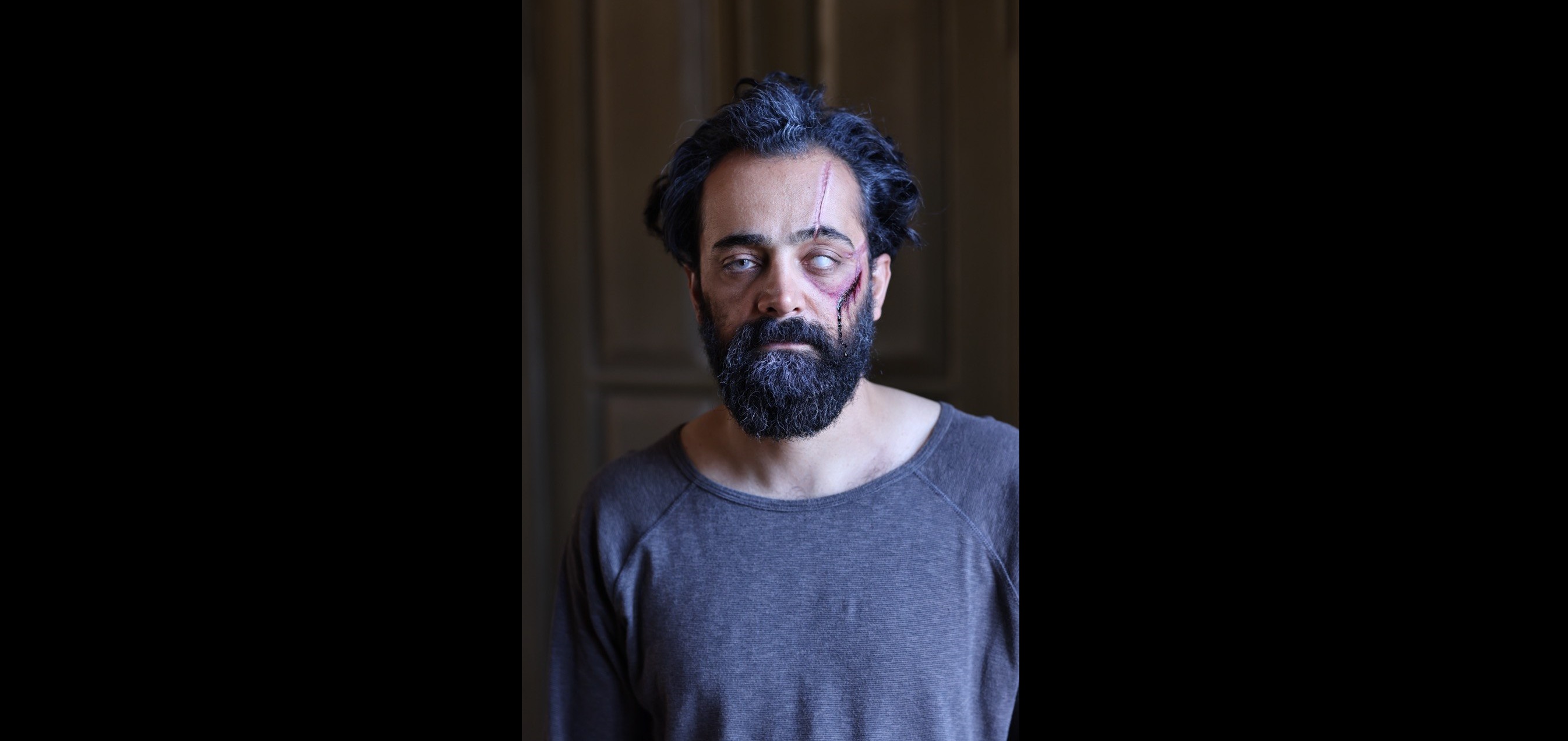
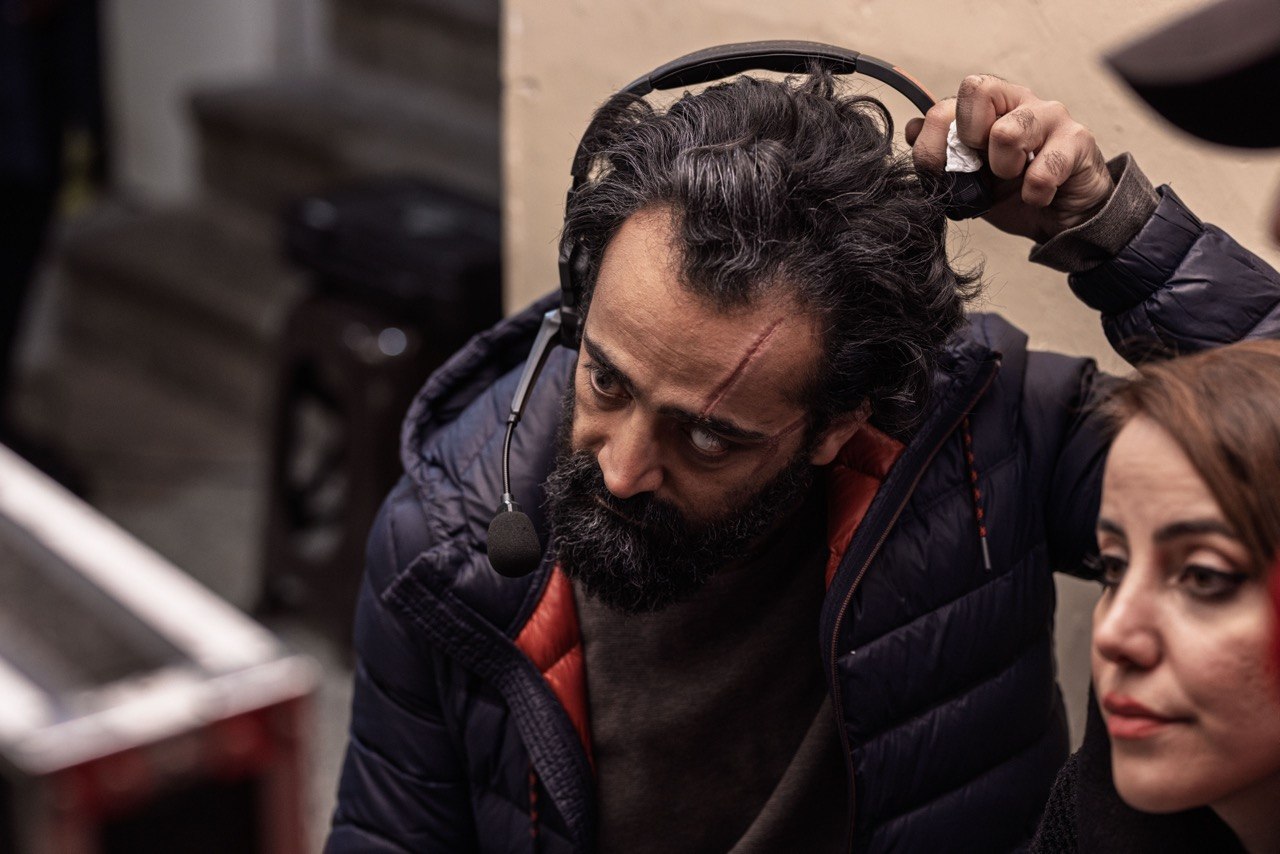
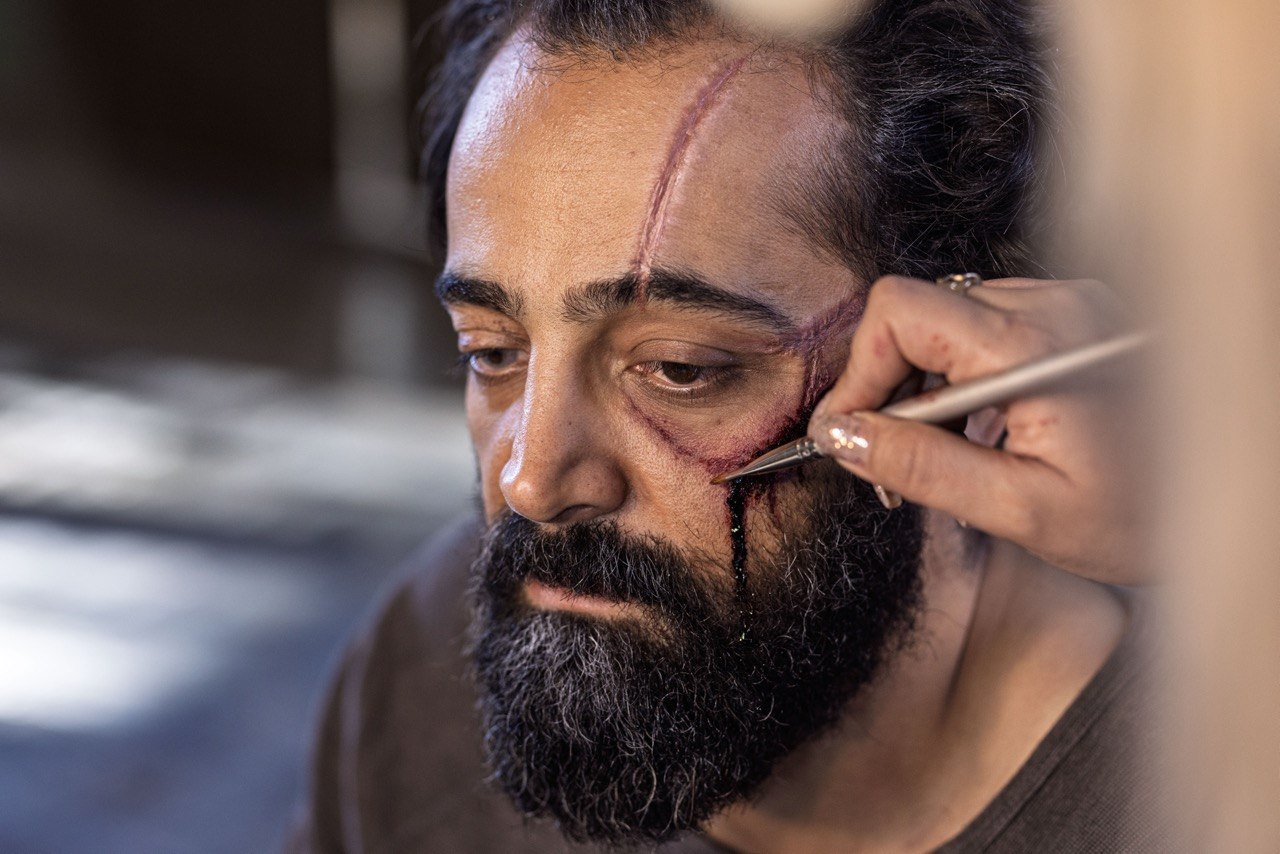
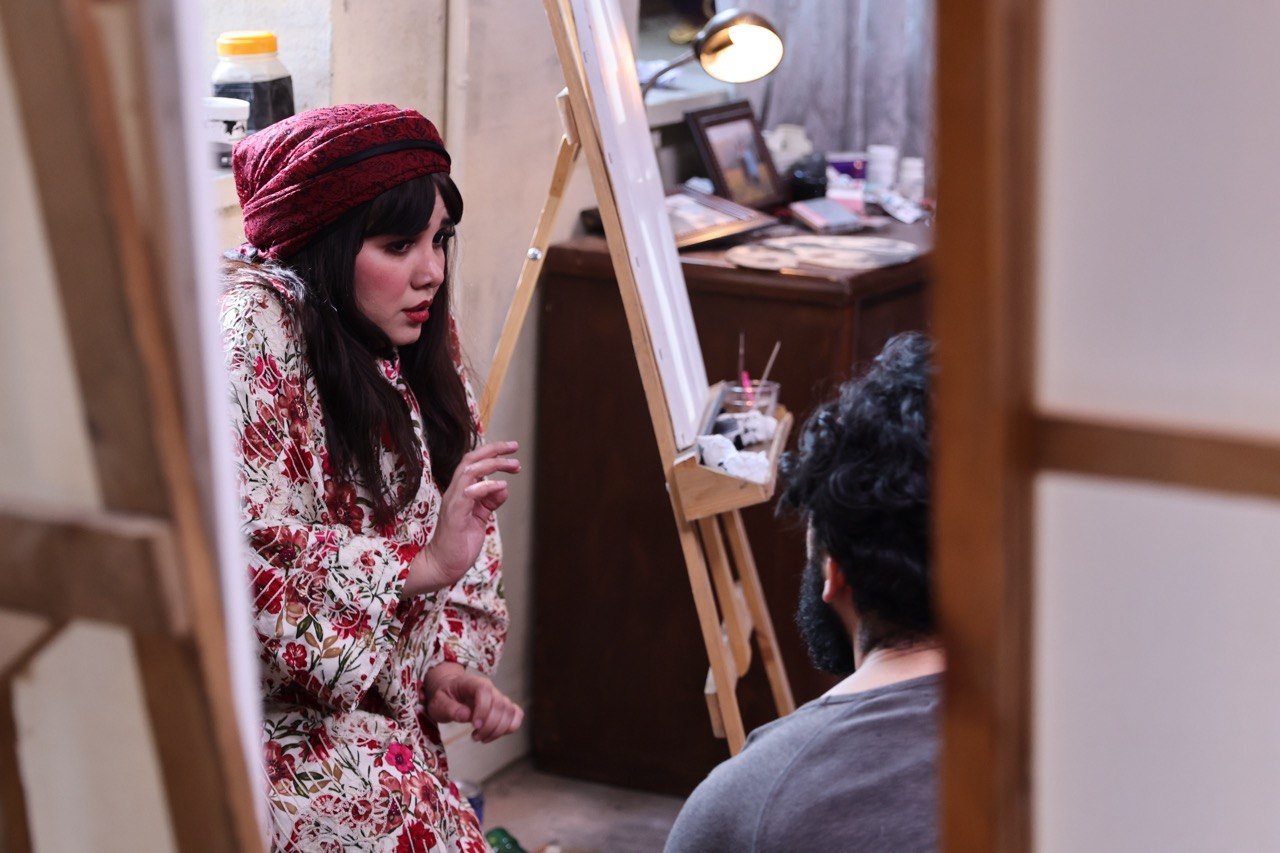
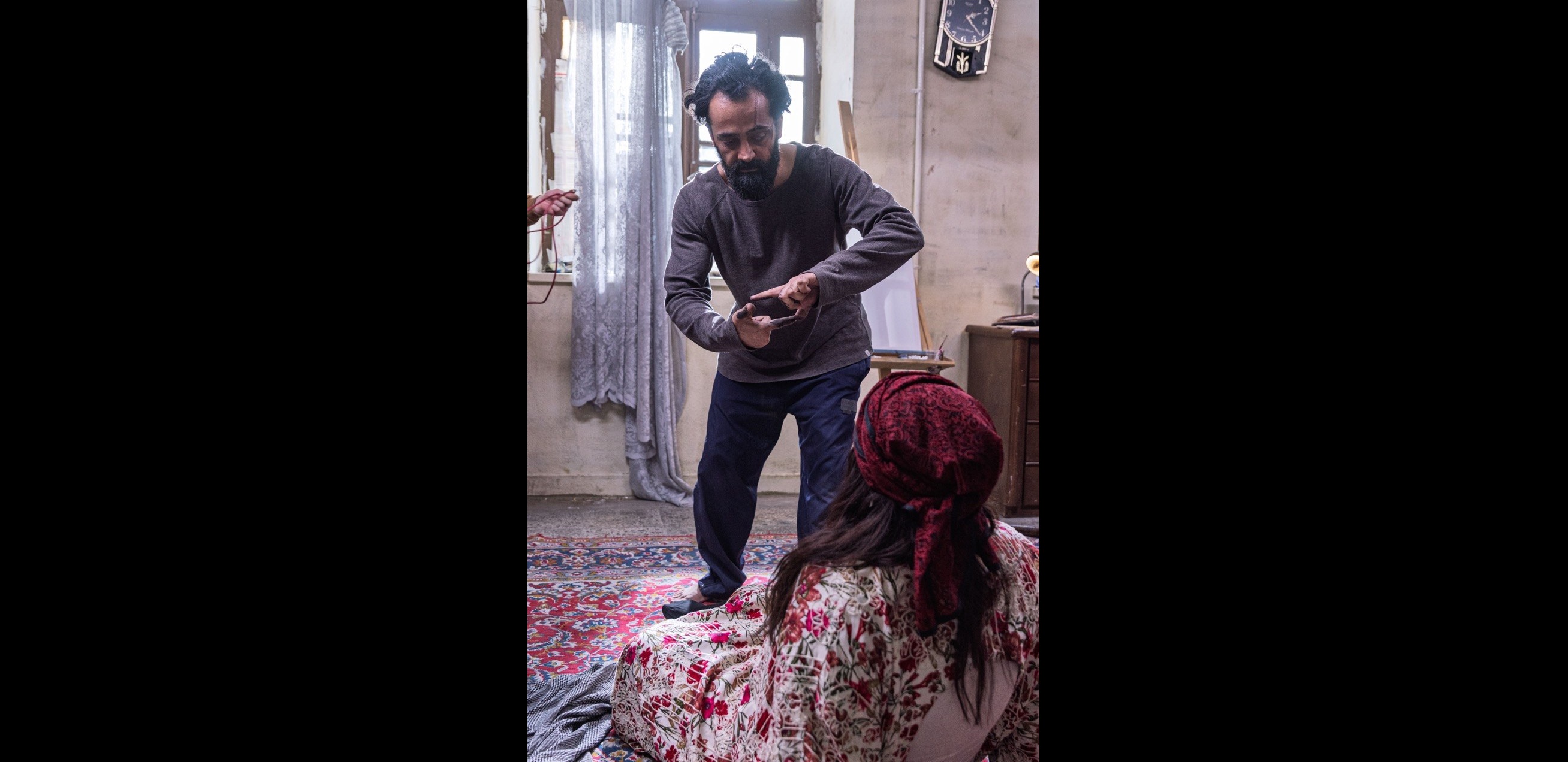
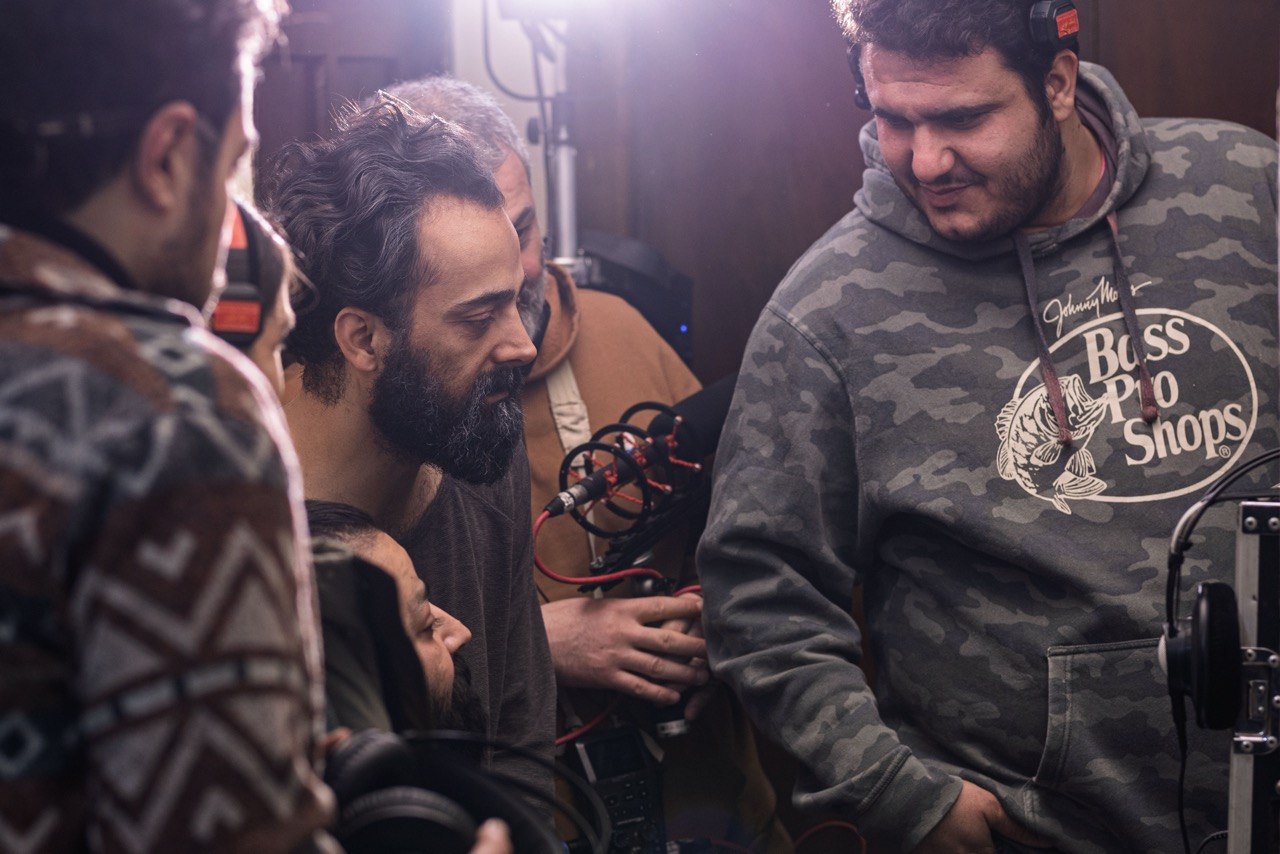
The concept for Mandala came slowly, the way the best ideas do. It wasn't a single moment of inspiration but a gradual accumulation — images, conversations, half-remembered dreams — that eventually cohered into something I could shoot. The word "mandala" itself kept returning to me: a geometric figure representing the universe, a symbol of wholeness that must be continuously recreated and then destroyed.
The Location
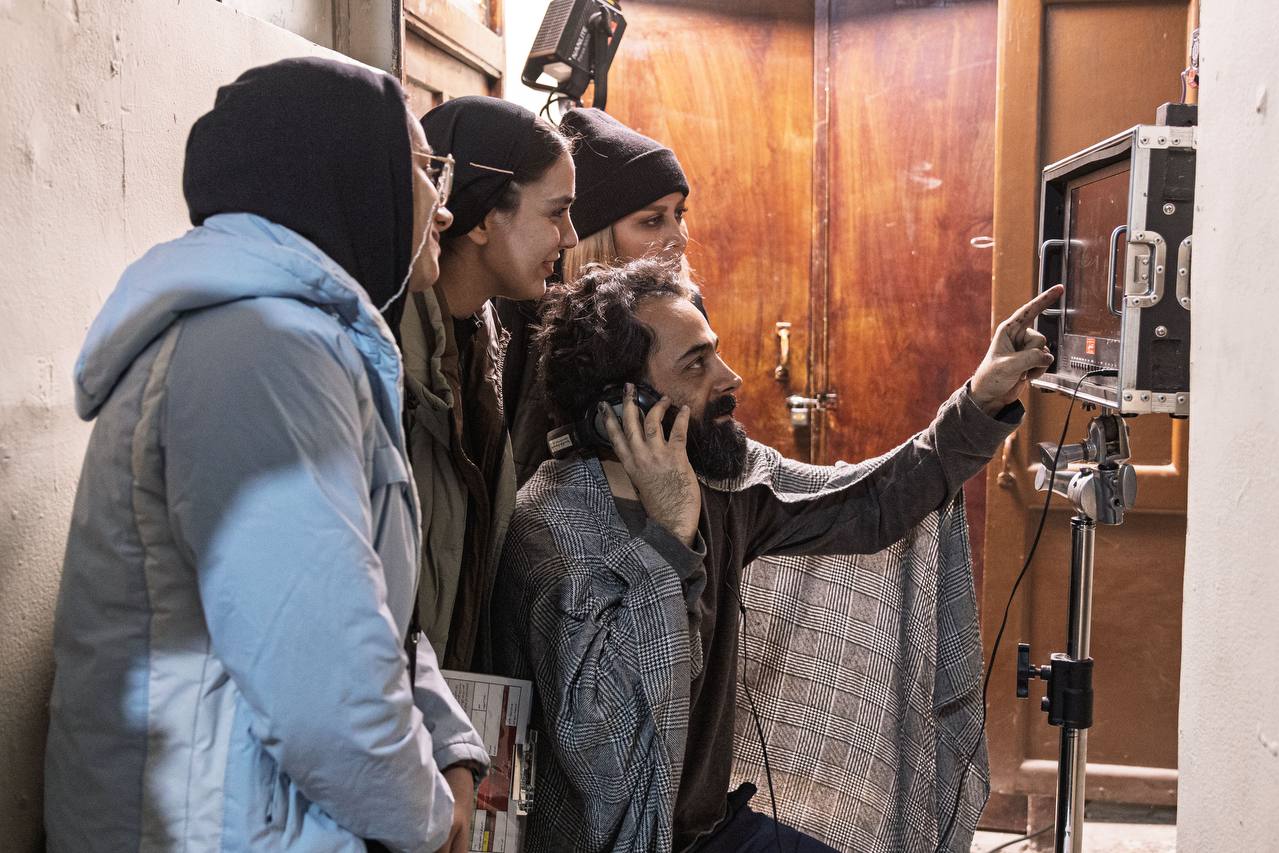
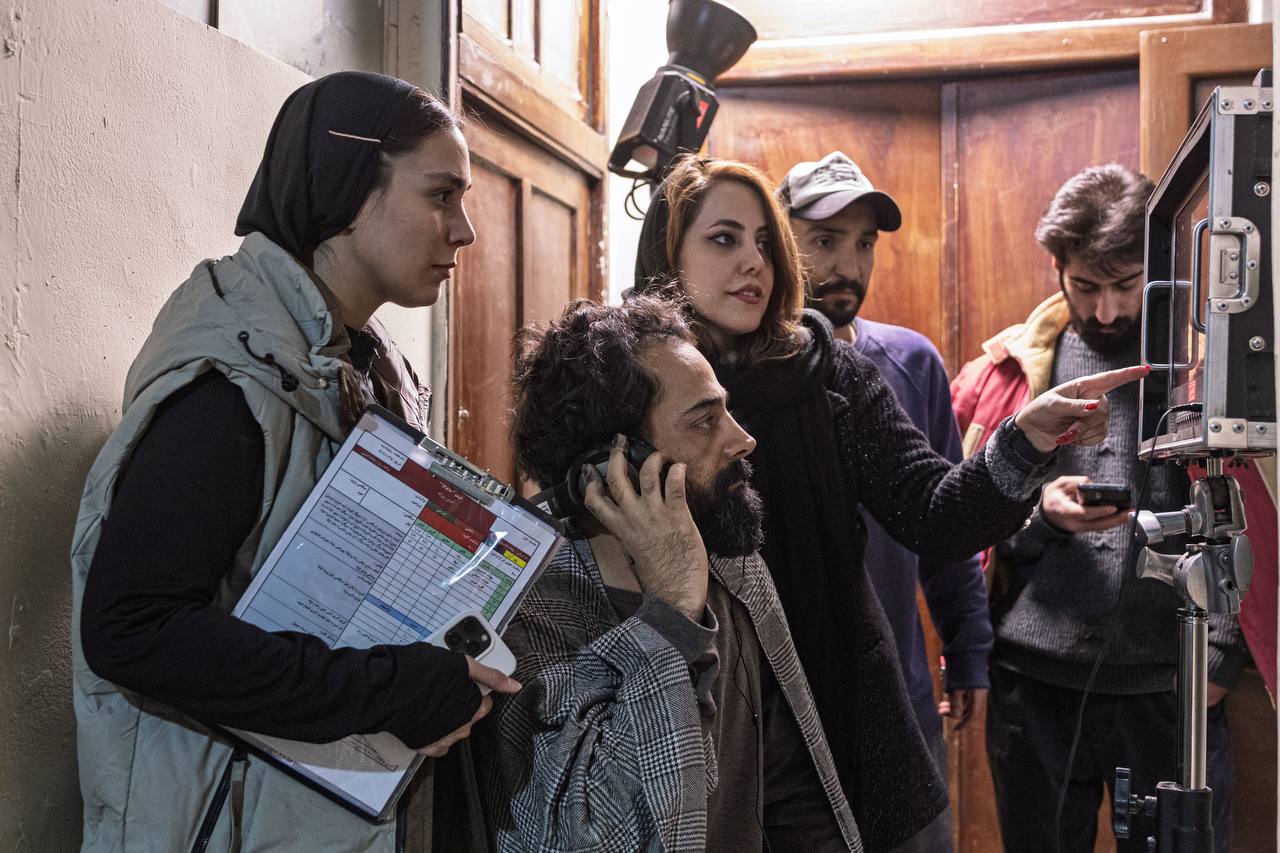
We scouted for three months before finding the right locations. The film needed spaces that felt both intimate and vast — rooms that could hold a person's entire history, corridors that suggested infinity. What we found was something unexpected: the spaces we chose were almost all transitional — hallways, thresholds, staircases. Never rooms of arrival.
Working with Natural Light
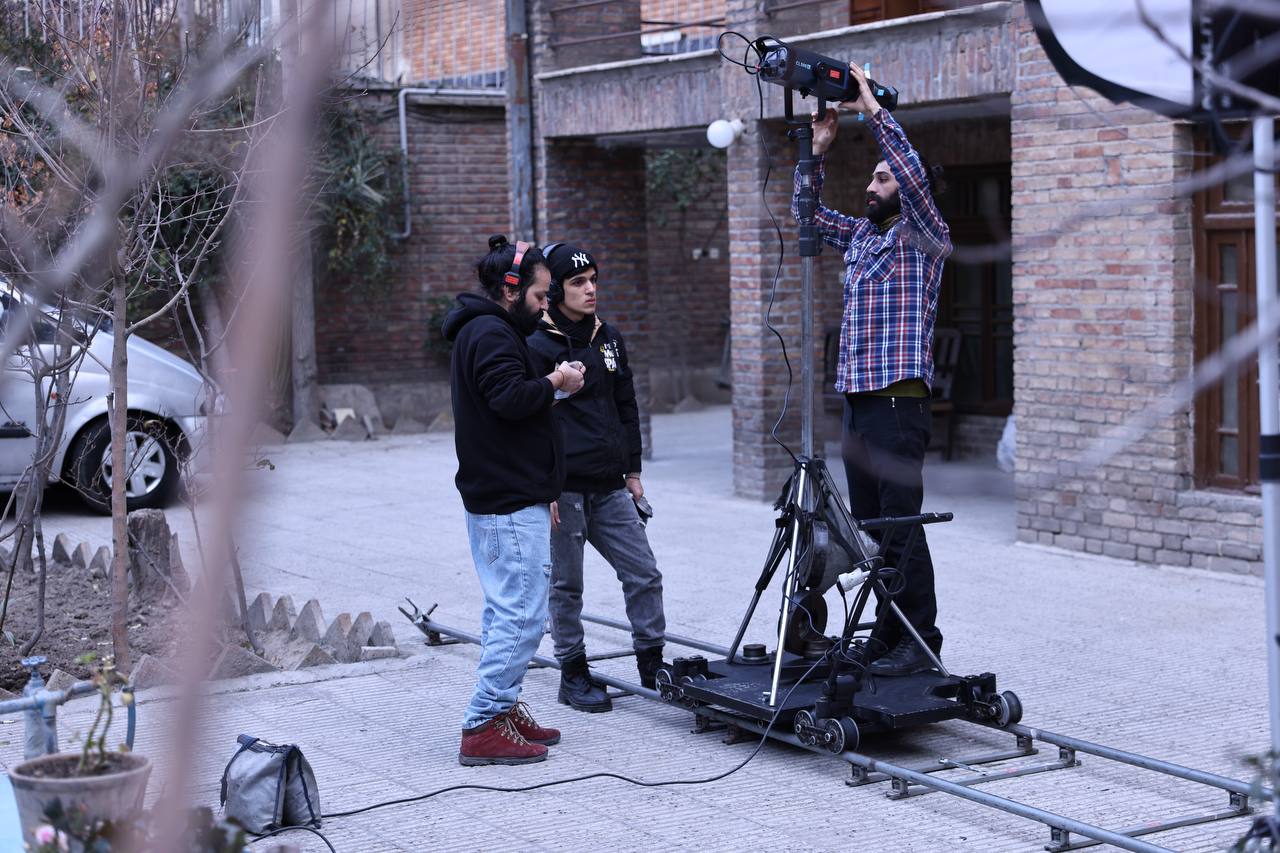
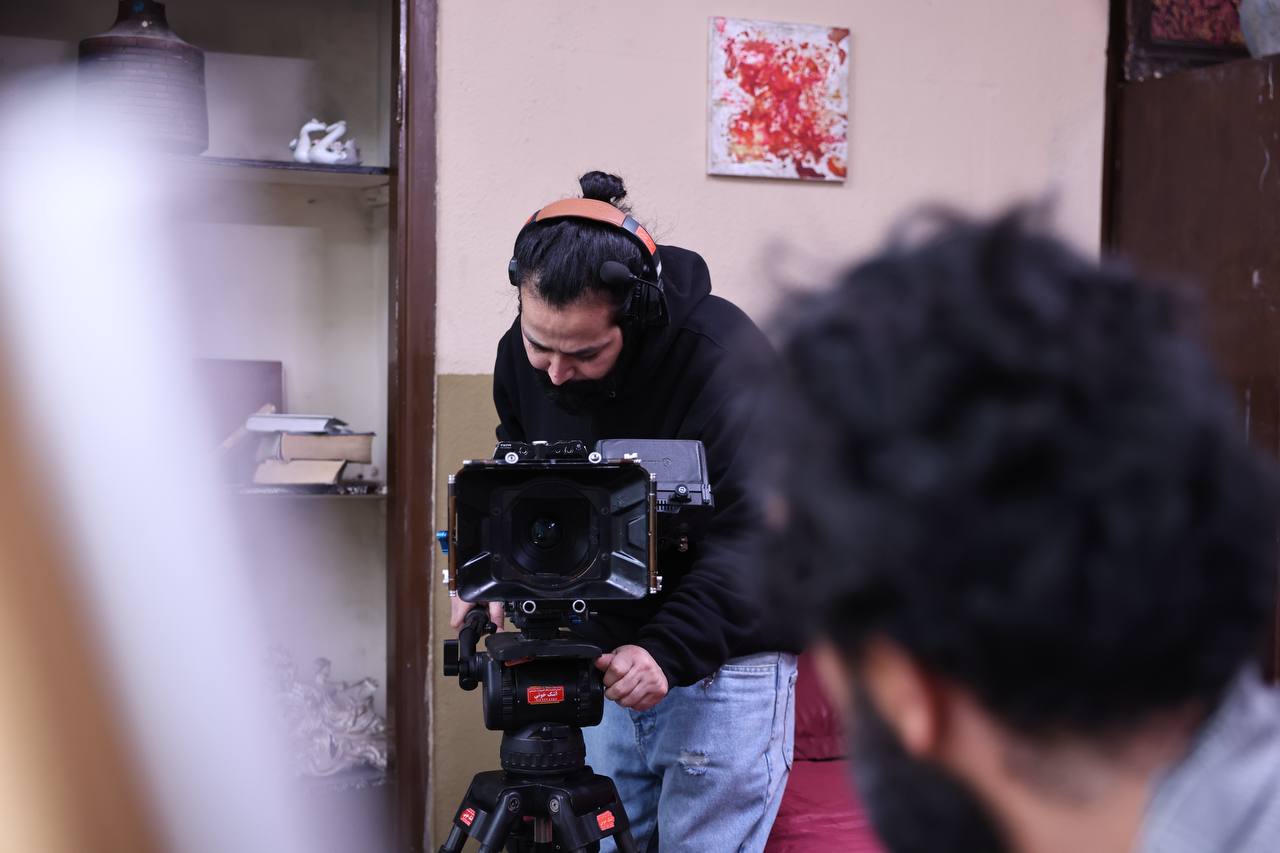
I made the decision early on to shoot exclusively with natural light. This meant our shooting schedule was dictated by the sun, by weather, by the specific quality of winter afternoon light that existed for only forty minutes each day. It created limitations that became the film's visual identity. Every frame carries the texture of real time.
The Silence
Sound designer and I discussed silence for hours — how to use it, how to shape it. Silence in cinema is never truly silent. There is always atmosphere, the hum of the world continuing. What we wanted was directed silence: the kind that asks something of the viewer, that makes space for feeling.